The Kogi State Government has officially flagged off the renovation and rehabilitation of 728 government-owned public secondary schools across the state under the Adolescent Girls Initiative for Learning and Empowerment (AGILE) Project.
The project, funded by the World Bank in partnership with the Kogi State Government, is designed to transform learning environments, improve education outcomes, and address barriers affecting school enrolment, retention, and completion, particularly for adolescent girls.
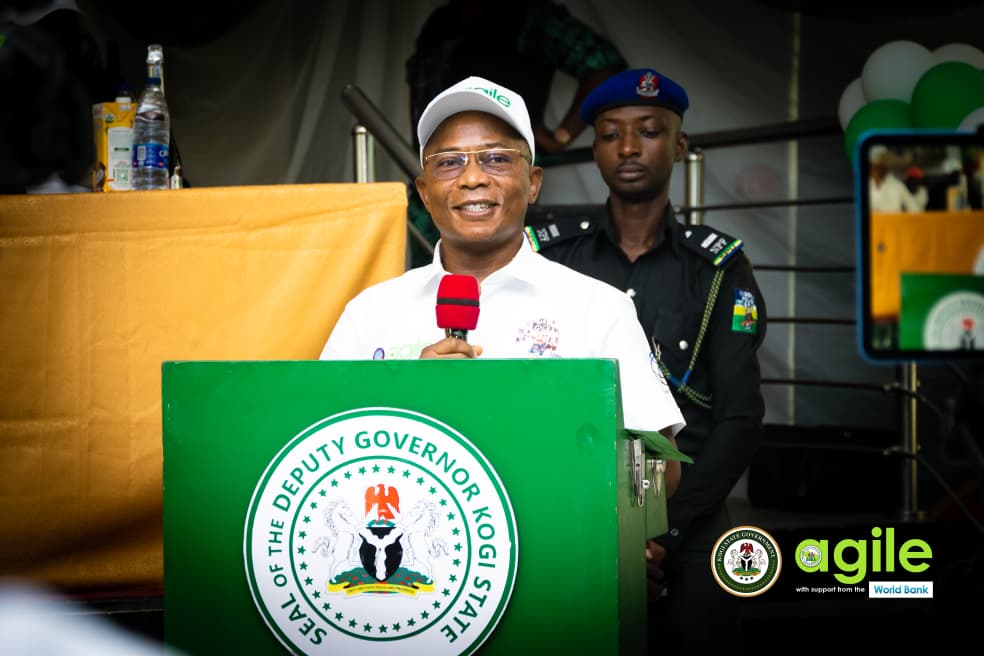
Speaking at the flag-off ceremony held at the Glass House, Government House, Lokoja, Governor Ahmed Usman Ododo, represented by his Deputy, Comrade Joel Salifu, described the initiative as a bold step towards repositioning the education sector in the state.
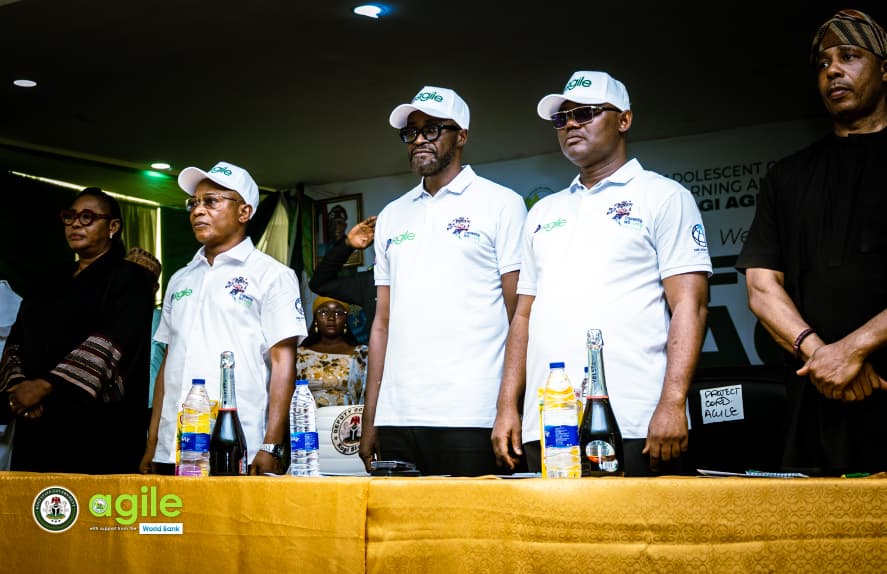
He noted that the large-scale renovation reflects the administration’s commitment to providing safe, inclusive, and conducive learning environments for students across Kogi State.
“This is not just an infrastructure project; it is a clear statement that every child in Kogi State deserves access to quality education in a dignified environment,” the governor said.
He added that the initiative aligns with President Bola Ahmed Tinubu’s Renewed Hope Agenda, emphasizing that investment in education remains critical to sustainable development.
Governor Ododo also commended the First Lady of Kogi State, Hajia Sefinat Usman Ododo, for her strong advocacy for girl child education and her role as the Mother of the AGILE Project in the state. He further praised the Honourable Commissioner for Education for his leadership and strategic coordination.
The governor acknowledged the contributions of the State Project Coordinator, the State Project Implementation Unit (SPIU), the National Project Coordinating Unit (NPCU), and the World Bank for their technical and financial support, describing the collaboration as instrumental to the success of the intervention.
In his remarks, the State Commissioner for Education and Chairman of the State Project Steering Committee, Hon. Wemi Jones, described the project as “historic,” noting that it reflects the administration’s commitment to strengthening the education system.
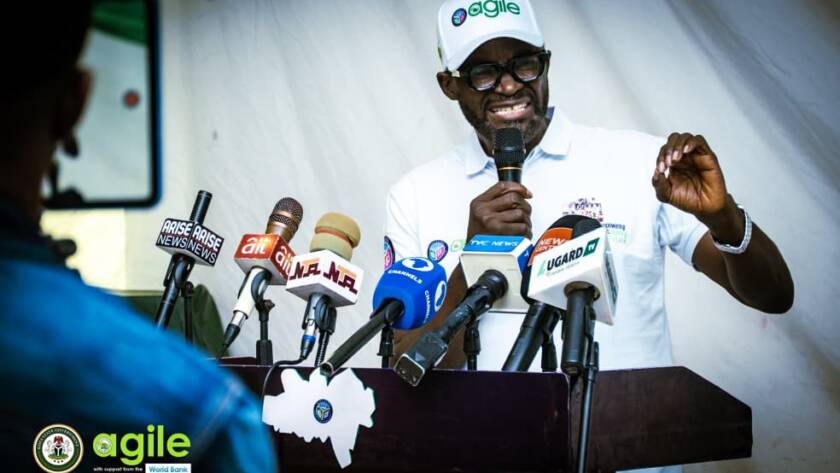
He revealed that the government has also approved over ₦1.4 billion for WAEC and other examination fees for public school students, alongside investments in CBT training, further demonstrating its dedication to improving learning outcomes.
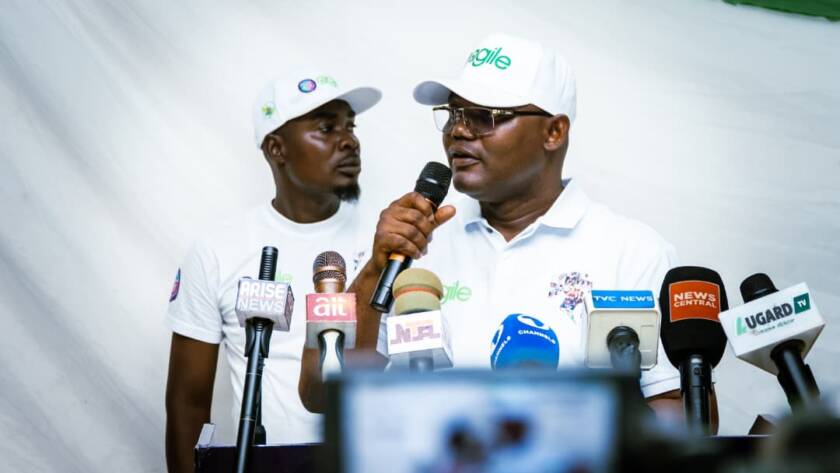
Providing further insight into the project, the State Project Coordinator of Kogi AGILE, Alhaji Ahmed Tijani Oricha, explained that the intervention will be implemented in phases, with 150 schools already selected for the first phase, while the remaining 578 schools will be covered subsequently.
He noted that the project adopts a community-driven development model, placing implementation responsibility in the hands of School-Based Management Committees (SBMCs).
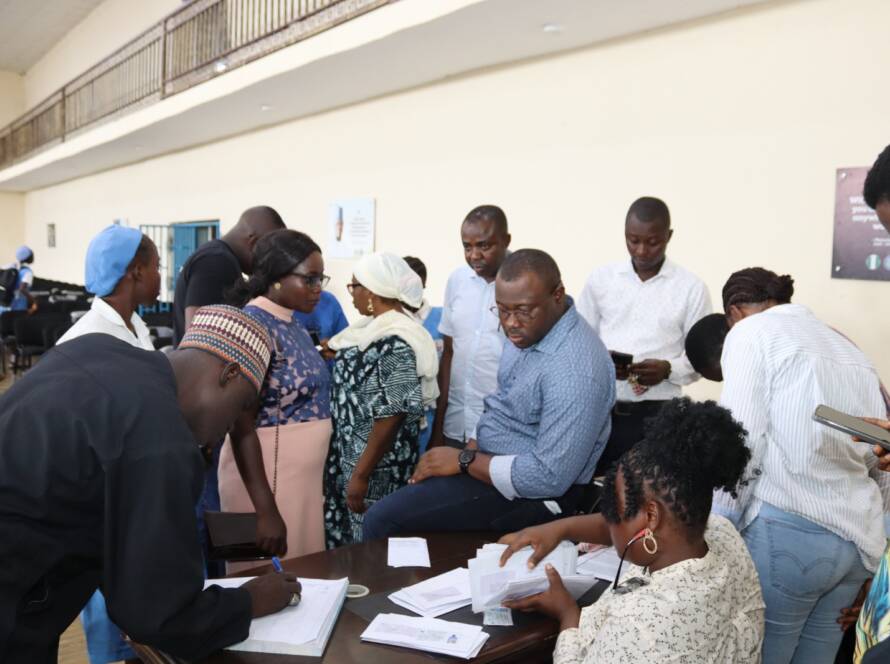
“For the first phase, 150 SBMCs have been established and trained to oversee project execution. Each committee comprises a Chairman from the host community, the school Principal as Secretary, and a Teacher as Treasurer, ensuring transparency and accountability,” he said.
Oricha further explained that schools have been categorized into three funding tiers based on infrastructure needs, with grants of $15,000, $30,000, and $60,000 allocated accordingly.
He added that all participating schools have developed School Improvement Plans (SIPs), which guide the utilization of funds and ensure that interventions address the most critical needs, including Water, Sanitation, and Hygiene (WASH) facilities.
Also speaking, the Sub-component 1.2 Lead, Engr. Hassan Ozovehe, emphasized that the deployment of 30 Technical Service Providers, selected through a competitive process, will ensure quality delivery and adherence to project standards.
He noted that the community-led approach allows stakeholders to prioritize their needs while maintaining strict oversight to ensure compliance and sustainability.
Stakeholders at the event lauded the initiative, describing it as one of the most far-reaching education infrastructure interventions in the state.
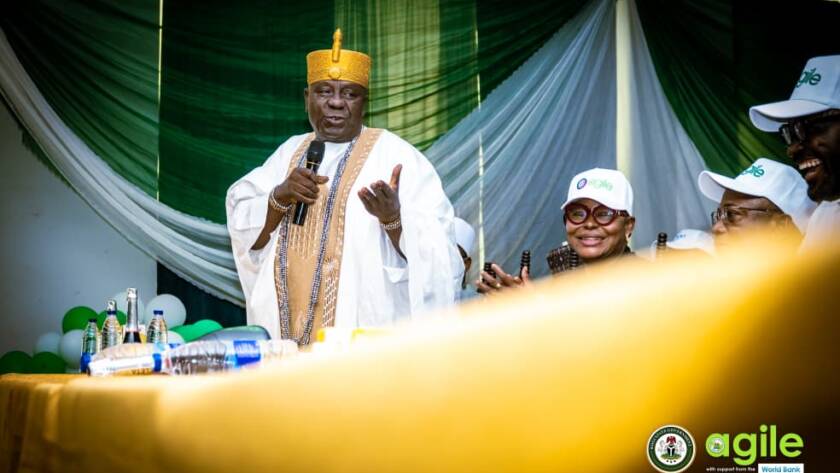
The Obaro of Kabba, HRM Oba Solomon Owoniyi, commended the government and the AGILE team for prioritizing education, particularly girl child empowerment, and assured the support of traditional institutions.
Similarly, the Speaker of the Kogi State House of Assembly, Rt. Hon. Aliyu Umar Yusuf, represented by the Deputy Speaker, Comfort Nwuchiola Egwaba, reaffirmed the legislature’s commitment to supporting policies and oversight mechanisms that promote quality education.
The government urged School-Based Management Committees and other stakeholders to take ownership of the project, ensuring proper monitoring, accountability, and sustainability.
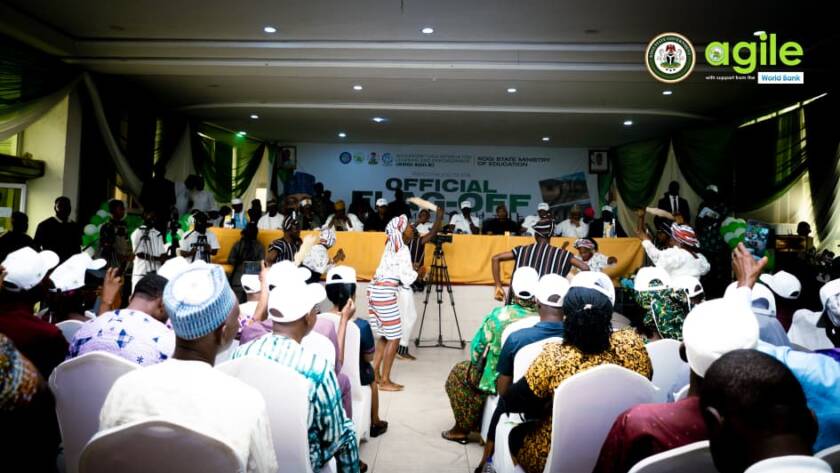
With implementation now underway, the Kogi AGILE Project is expected to significantly improve school infrastructure, restore confidence in public education, and create better opportunities for thousands of young people across the state.