The Kogi State Adolescent Girls Initiative for Learning and Empowerment (AGILE) Project has expressed its commitment to working closely with the Kogi State Agency for Mass Literacy and Non-Formal Education to implement its newly introduced Alternative Education program for out-of-school adolescent girls and young women.
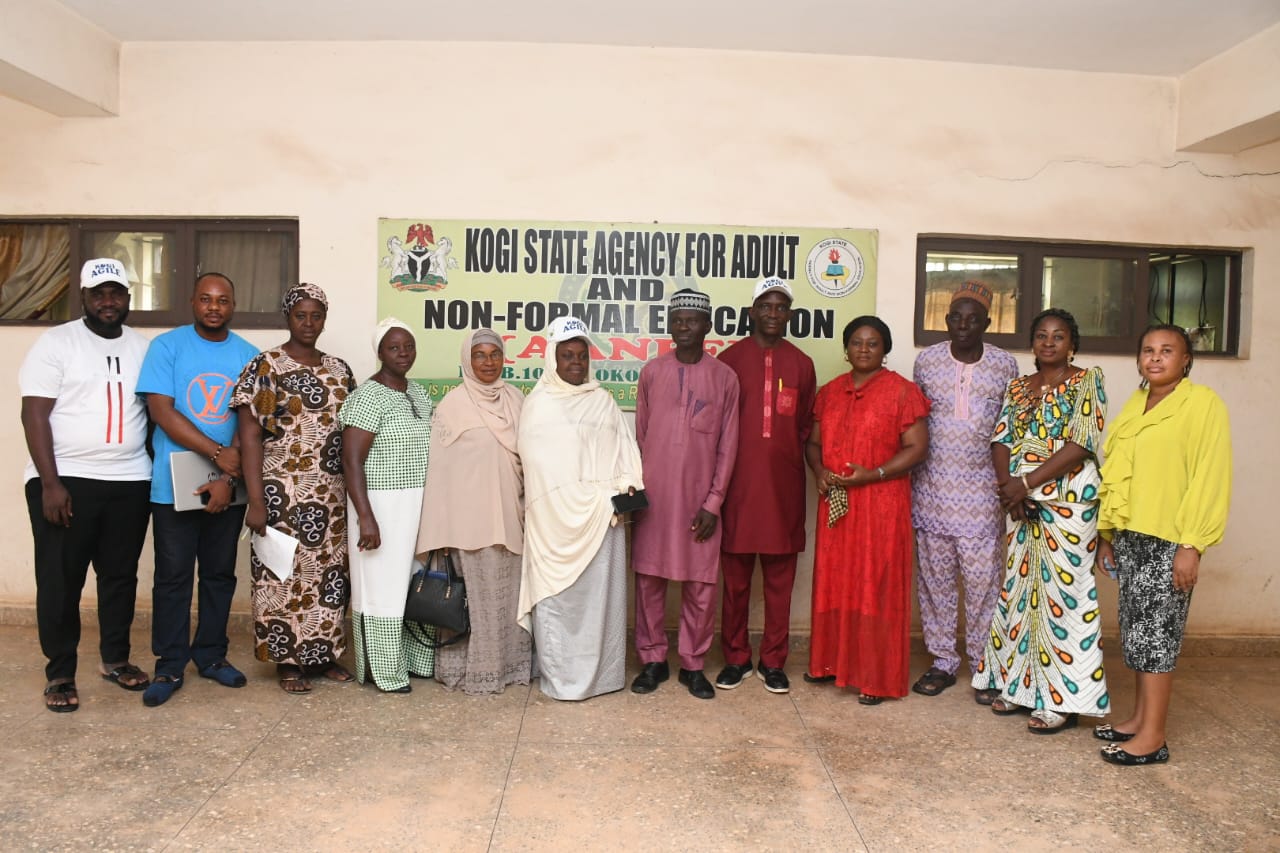
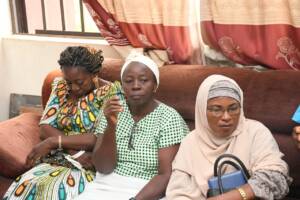
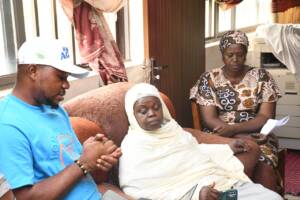
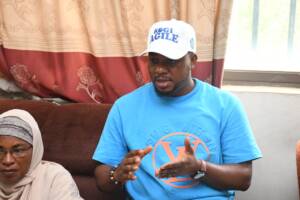
At a strategic engagement meeting held at the Agency’s headquarters in Lokoja, the AGILE team, led by the Project Coordinator, Alh. Ahmed Tijani Oricha who was represented by the project Deputy Project Coordinator, Aminat Sulieman, highlighted the project’s mandate as a World Bank-supported initiative designed to expand educational opportunities for adolescent girls.
She noted that Alternative Education is one of AGILE’s latest interventions in Kogi State and a critical pathway to ensuring girls who missed formal schooling are not left behind.
Presenting the implementation strategy, the Alternative Education Component Lead, Hajia Mariam Bello, explained that the 2025–2026 work plan outlines key deliverables which include the identification of a focal person from the Agency to serve as liaison, the establishment of Center-Based Management Committees, and the validation of non-formal centers and facilitators across all 21 LGAs.


She added that the project would also develop and validate training manuals and curriculum, strengthen the capacity of facilitators in both vocational and literacy skills, and carry out community sensitization and engagement activities.
In addition, She noted that AGILE will provide technical support, training, supervision, facility renovation, and empowerment programs to enhance service delivery.
In his response, the Managing Director of the Agency, Mr. Jonathan Tsebeje confirmed the availability of comprehensive data on centers, facilitators, curriculum, and enrolled girls, and revealed that a state policy on Non-Formal Education is currently under review by the House of Assembly.
However, he pointed out several challenges that hinder effective service delivery, including a shortage of facilitators and area officers, lack of logistics and mobility for field assessments, unpaid ad-hoc staff, poor infrastructure across non-formal centers, absence of digital platforms for publicity, and inadequate equipment, training materials, and empowerment packages.
He also noted that the existing curriculum is outdated and does not cover key areas such as health, agriculture, and social education.
Responding to the concerns, Sanitarian Michael Olatunde, Environmental Safeguard Officer (ESO), assured the Agency of AGILE’s readiness to work with the State Government to address the identified gaps.
He stressed the importance of sustained collaboration and called for the immediate nomination of a focal officer to strengthen coordination between the Agency and AGILE.
In his closing remarks, Bishop Aturu, commended the Agency’s management and reaffirmed AGILE’s mission to bridge educational gaps for adolescent girls.
He emphasized that partnership with the Agency was vital for the sustainability and success of Alternative Education in Kogi State.